


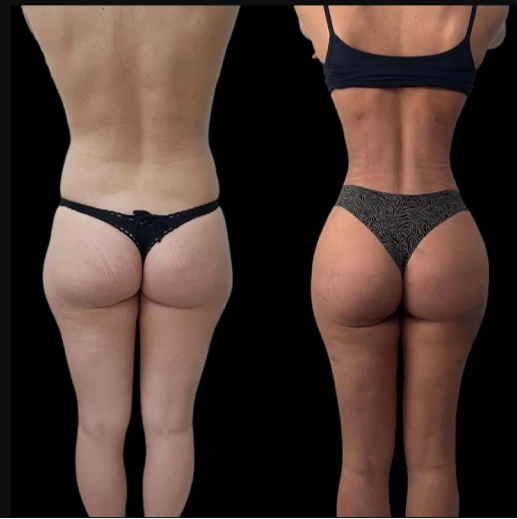


Weight loss is one of the most common health goals around the world. Millions of people try various diets, exercise plans, supplements, and even medical treatments each year in hopes of achieving their ideal weight.
Yet, despite all the available options, choosing the right weight loss treatment can feel overwhelming. What works wonders for one person might not work at all for another, because everybody is unique. Factors like genetics, metabolism, lifestyle, and even emotional health play significant roles in determining the best approach.
We’ll break down the key factors to consider when choosing a weight loss treatment, highlight different methods available, and provide guidance on how to tailor a plan that truly fits your body and your long-term goals.
Why One-Size-Fits-All Doesn’t Work
It’s tempting to believe that there is a “perfect” diet or treatment that works universally. However, research shows that the effectiveness of weight loss methods varies greatly between individuals.
Metabolism Differences: Some people burn calories faster than others.
Hormonal Influence: Hormones such as insulin, cortisol, and thyroid hormones can affect fat storage and hunger.
Lifestyle Factors: Work schedule, family responsibilities, and stress levels influence how much time and energy someone can dedicate to a program.
Genetics: Certain genes predispose people to gain weight more easily or make it harder to lose fat.
Understanding that your journey is unique is the first step to selecting the right treatment.
Step 1: Define Your Weight Loss Goals
Before considering any program or treatment, ask yourself:
Do I want to lose a few pounds for cosmetic reasons, or do I need to reduce weight for health concerns?
Am I aiming for a short-term result (e.g., fitting into a dress for an event) or sustainable, long-term weight management?
Do I want to focus on fat loss, muscle gain, or both?
Your goals will influence which treatment or approach is most appropriate. For instance, if your doctor has warned about obesity-related risks like type 2 diabetes, you may need a medically supervised plan rather than just a trendy diet.
Step 2: Assess Your Current Health
The right weight loss treatment should always start with a clear understanding of your health status. Consider these steps:
Medical Checkup: Get a physical exam and blood work to check cholesterol, blood sugar, thyroid, and hormone levels.
BMI and Body Composition: While BMI is a rough estimate, pairing it with body fat percentage and waist-to-hip ratio gives better insight.
Underlying Conditions: Conditions like PCOS, hypothyroidism, or insulin resistance may affect weight loss efforts.
Medications: Some prescription drugs (like antidepressants or steroids) can cause weight gain. This may influence your treatment choice.
A doctor or nutritionist can help you understand these factors and recommend safer, more effective options.
Step 3: Explore Different Types of Weight Loss Treatments
There are numerous approaches available, and each has advantages and drawbacks. Let’s explore the most common options:
1. Lifestyle and Behavioral Changes
What it is: A combination of diet, exercise, and habit changes.
Best for: Most people, especially those wanting long-term, sustainable results.
Pros: Natural, safe, improves overall health.
Cons: Results can take time and require consistency.
Examples: Balanced calorie-controlled diets, strength training, cardio, mindfulness eating, and stress management.
2. Structured Diet Plans
What it is: Specific eating programs like keto, intermittent fasting, paleo, or plant-based diets.
Best for: People who prefer clear guidelines.
Pros: Can deliver fast results if followed strictly.
Cons: May feel restrictive, difficult to maintain long-term, not suitable for everyone.
The best diet is one you can stick to consistently without feeling deprived.
3. Professional Nutritional Counseling
What it is: Working with a registered dietitian or nutritionist.
Best for: People with health conditions or those who struggle to design balanced meals.
Pros: Customized advice, accountability, and long-term support.
Cons: May require ongoing appointments and financial investment.
4. Medical Treatments and Medications
What it is: Prescription weight loss medications (e.g., GLP-1 receptor agonists, appetite suppressants).
Best for: People with obesity or obesity-related health risks.
Pros: Can help overcome biological barriers to weight loss.
Cons: Possible side effects, must be prescribed and monitored by a doctor.
5. Surgical Options
What it is: Procedures like gastric bypass, sleeve gastrectomy, or gastric banding.
Best for: Individuals with severe obesity (BMI ≥ 40 or ≥ 35 with health issues).
Pros: Significant, often rapid weight loss and health improvements.
Cons: Invasive, expensive, carries risks, requires permanent lifestyle changes.
Alternative and Complementary Approaches
What it is: Herbal supplements, acupuncture, hypnosis, or detox programs.
Best for: Those interested in holistic methods.
Pros: May offer additional support and motivation.
Cons: Limited scientific evidence for effectiveness, safety concerns with some supplements.
Match the Treatment to Your Body and Lifestyle
When choosing among these options, consider:
Your Schedule: If you work long hours, a plan with flexible meal prep may be better than one requiring strict meal times.
Your Personality: Do you thrive on structure (good for specific diets) or flexibility (better for lifestyle-based changes)?
Your Budget: Some treatments, like surgery or specialized programs, can be costly.
Your Support System: Having family, friends, or a coach to support you can increase success rates.
Watch Out for Red Flags
Not all weight loss treatments are safe. Be cautious of:
Quick Fixes: Anything promising “lose 20 pounds in a week” is usually unsustainable and unhealthy.
Unregulated Supplements: Many weight loss pills on the market lack safety testing.
Extreme Restrictions: Diets that cut out entire food groups (unless medically necessary) can lead to nutrient deficiencies.
High Pressure Programs: Avoid treatments that shame or pressure you into unrealistic goals.
Focus on Long-Term Sustainability
Successful weight management isn’t about losing weight quickly, it’s about maintaining it. Ask yourself:
Can I realistically see myself following this plan six months or a year from now?
Does this treatment improve my overall health and energy, not just reduce numbers on the scale?
Am I building habits that prevent weight regain?
Often, gradual lifestyle-based changes with professional guidance are the most sustainable.
Final Thoughts
Choosing the right weight loss treatment for your body is a deeply personal process. It requires self-awareness, professional input, and a willingness to experiment with what works best for you. Instead of chasing fads or comparing your progress to others, focus on building a plan that respects your body’s needs, fits your lifestyle, and supports long-term health.
Remember, the goal isn’t just to lose weight—it’s to feel healthier, stronger, and more confident in your own skin. With the right approach, patience, and persistence, lasting change is entirely possible.