


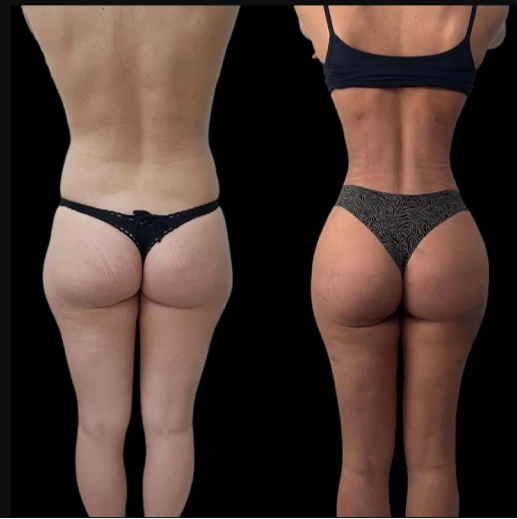

Stretch marks—those streaks or lines that often appear on the skin due to rapid growth, weight fluctuations, pregnancy, or hormonal changes—have long been a source of self-consciousness for many.
While some embrace them as marks of life’s journey, others seek ways to minimize their appearance. Traditional approaches like creams, laser treatments, or makeup can help, but a more permanent, artistic solution has emerged in recent years: stretch mark cover-up tattoos.
This innovative form of tattooing is not just about concealment—it’s an art that transforms scars into expressions of individuality and empowerment.
Understanding Stretch Marks
Before exploring the art of tattoo cover-ups, it’s essential to understand what stretch marks are. Medically known as striae, stretch marks form when the skin’s elastic fibers are stretched beyond their capacity.
The skin tears in the dermis, leaving behind scar tissue visible on the surface. These marks often appear during puberty, pregnancy, or periods of rapid weight gain or loss, and can range in color from red, purple, or pink in their early stages to white or silver as they mature.
Stretch marks are completely natural and affect people of all ages, genders, and body types. Yet, despite their prevalence, societal beauty standards often stigmatize them, fueling a desire to conceal or disguise these natural markings.
The Rise of Stretch Mark Cover-Up Tattoos
Tattooing as a method of skin art has existed for thousands of years, historically serving as cultural, spiritual, and aesthetic expression. In recent years, tattoo artists have expanded their skill set to include medical and cosmetic applications, including covering scars, burns, and stretch marks. Unlike conventional tattoos, which are primarily decorative, stretch mark cover-up tattoos require a blend of artistic expertise, technical precision, and an understanding of skin texture.
The concept is simple: use tattoo ink to either camouflage the stretch marks by matching skin tone or transform them into vibrant designs that integrate the lines seamlessly. This technique not only conceals the marks but also allows the individual to reclaim and reframe their skin as a canvas of beauty and self-expression.
Techniques and Approaches
There are two primary approaches to stretch mark cover-up tattoos: camouflage and decorative art.
1. Camouflage
Camouflage tattoos aim to make stretch marks less noticeable by blending them into the surrounding skin. This process, also known as micropigmentation, uses specialized pigments that match the client’s skin tone. Tattoo artists apply these pigments meticulously to minimize the contrast between the stretch mark and healthy skin.
The process is delicate. Stretch marks often have uneven texture, which can make ink absorption inconsistent. A skilled artist must carefully layer pigments, sometimes across multiple sessions, to ensure a uniform and natural-looking finish. Camouflage tattoos are particularly popular for those seeking a subtle solution that doesn’t draw attention to the treated area.
2. Decorative Art
For individuals who view their stretch marks as an opportunity for creativity, decorative tattoos offer a more expressive option. Artists can turn stretch marks into intricate designs such as floral patterns, geometric shapes, mandalas, or abstract artwork. This approach transforms what some might perceive as imperfections into unique, eye-catching art.
Decorative tattoos allow for a level of personalization that camouflage cannot. By incorporating color, pattern, and flow, the tattoo can complement the body’s natural contours while celebrating the individual’s personal journey. For many, this form of tattooing is deeply empowering, converting insecurities into symbols of strength and resilience.
The Process
Getting a stretch mark cover-up tattoo involves several steps:
- Consultation: The process begins with a detailed consultation where the client discusses their goals, skin type, and the appearance of the stretch marks. The artist may assess factors such as stretch mark color, size, location, and skin elasticity.
- Design Planning: If opting for decorative art, the artist sketches potential designs that integrate the stretch marks. For camouflage, they select pigments that closely match the client’s skin tone.
- Test Patch: Some artists perform a test patch to observe how the pigment interacts with the skin. This helps prevent unwanted color mismatches or adverse reactions.
- Tattooing: The tattooing process can take several hours depending on the complexity and size of the area. Multiple sessions may be required for optimal results.
- Aftercare: Proper aftercare is crucial. Clients are advised to avoid sun exposure, maintain skin hydration, and follow the artist’s guidelines to ensure proper healing and pigment retention.
Benefits Beyond Aesthetics
While stretch mark cover-up tattoos offer an obvious cosmetic benefit, their impact often extends far beyond appearance.
- Boost in Confidence: Concealing or transforming stretch marks can significantly improve self-esteem. Many clients report feeling more comfortable in clothing that reveals treated areas, such as swimsuits or crop tops.
- Emotional Healing: Stretch marks are often tied to personal experiences—pregnancy, weight changes, or health challenges. Transforming them through art can serve as a form of emotional catharsis, helping individuals reclaim ownership of their bodies.
- Permanent Solution: Unlike creams or makeup, tattoos provide a long-lasting result. Although touch-ups may occasionally be needed, the permanence of tattooing offers a reliable alternative to temporary solutions.
Considerations and Risks
Despite the appeal, there are important considerations before opting for stretch mark cover-up tattoos:
- Skin Sensitivity: Stretch marks can have different textures, making them more sensitive to tattooing. Pain tolerance varies, and some areas may require special techniques.
- Healing Time: Tattooing over scarred skin can require longer healing periods. Proper aftercare is essential to avoid complications such as infections or pigment loss.
- Artist Expertise: Not all tattoo artists are trained in stretch mark cover-up techniques. Selecting an experienced professional is critical to achieving natural-looking results.
- Pigment Longevity: Skin tone pigments can fade over time, especially with sun exposure. Periodic touch-ups may be necessary to maintain the desired effect.
The Future of Stretch Mark Tattooing
The evolution of stretch mark cover-up tattoos reflects broader trends in beauty, self-expression, and body positivity. As tattooing technology advances, new pigments, techniques, and tools are emerging, making it easier to achieve realistic camouflage and intricate designs. Moreover, social media platforms have amplified awareness, enabling artists to showcase their work and inspire others to consider this transformative option.
Beyond aesthetic appeal, the practice also challenges conventional beauty standards. By celebrating bodies in all their forms and creating art from perceived imperfections, stretch mark tattoos contribute to a cultural shift—one that embraces authenticity, self-love, and creativity.
Conclusion
Stretch mark cover-up tattoos represent a fascinating intersection of art, science, and empowerment. They offer a permanent solution for concealing or transforming stretch marks while allowing individuals to express their unique identities. Whether through subtle camouflage or bold decorative designs, these tattoos are more than just a cosmetic fix—they are a statement of resilience, confidence, and self-celebration.