




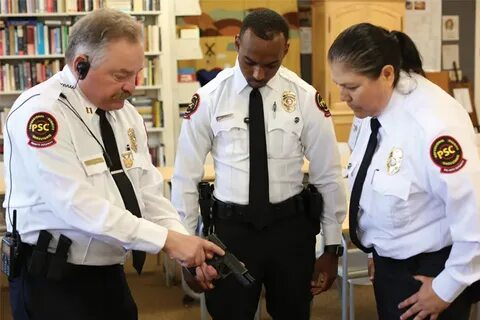
Developing a strong foundation in safety procedures begins with Unarmed Security License Classes, which introduce individuals to the essential principles required for professional security work. These classes focus on the responsibilities of maintaining order, observing environments, and responding appropriately to various situations. Participants learn about legal guidelines, situational awareness, communication skills, and the expectations placed on security personnel. The structured learning approach helps individuals understand how to operate within different settings while maintaining professionalism. Through classroom instruction and guided practice, trainees gain confidence in handling routine and unexpected scenarios that may arise in their future roles.
Building essential knowledge through organized security training
Engaging in Security Training provides a deeper understanding of protective strategies, safety protocols, and operational procedures. This learning process covers the importance of clear communication, ethical decision-making, and following established guidelines. Training programs prepare participants for real-world environments by introducing them to typical challenges faced by security professionals. The curriculum often includes instruction on monitoring surroundings, recording observations, and managing interactions with the public. By focusing on these practical elements, security training establishes a solid foundation for maintaining order and contributing to safer environments.
Developing professional behavior within security roles
Participants in Unarmed Security License Classes also explore the importance of professional conduct, appearance, and communication. Security personnel often serve as the first point of contact in many environments, making it essential to uphold a high level of integrity. These classes emphasize the significance of staying calm under pressure, following procedures consistently, and representing the organization positively. Professional behavior is reinforced throughout the training to help individuals adapt smoothly to various work environments, such as commercial buildings, community facilities, or event venues.
Practical preparation through structured security training
Comprehensive Security Training equips individuals with essential skills that support effective job performance. Trainees are introduced to observation methods, report writing techniques, and incident response processes. They also learn how to identify unusual behavior, maintain situational awareness, and act responsibly in time-sensitive circumstances. This preparation ensures that individuals are ready to meet workplace expectations and respond appropriately to a wide range of situations. Training programs often highlight the importance of teamwork, helping participants understand how to collaborate with coworkers and follow direction from supervisors.
The connection between unarmed training and career development
Completing Unarmed Security License Classes serves as an important step toward entering the security field or advancing within it. These classes help individuals familiarize themselves with state requirements, regulatory expectations, and operational standards. By understanding these elements, trainees can pursue career opportunities with confidence and clarity. Security roles often demand reliable performance and adherence to protocol, and foundational training offers the knowledge needed to meet those expectations. The insights gained during the licensing process contribute to long-term professional growth and job readiness.
Enhanced preparedness through continuous security training
Ongoing Security Training plays a crucial role in keeping security professionals up to date with evolving safety practices. As public environments and workplace needs continue to change, regular training ensures that individuals remain informed and capable of adapting. Training sessions reinforce the fundamentals learned in licensing classes while introducing new guidelines or updates in industry standards. Continuous education helps individuals stay prepared for different situations and maintain consistent performance throughout their careers.
Conclusion
Both Unarmed Security License Classes and Security Training provide essential guidance for individuals pursuing roles within the security field. These programs help build strong foundations in safety procedures, professional conduct, and effective communication. By combining classroom instruction with practical preparation, trainees gain the confidence and knowledge needed to perform their duties responsibly. The skills acquired through these programs support long-term career development and contribute to creating safer, more secure environments for communities and organizations.