


Producing precise and detailed construction documents is crucial for any successful building project. Whether you are working on a residential or commercial project, the accuracy of your plans directly affects construction quality, budget, and timelines. Traditionally, 2D drafting was the standard, but today, 3D drafting has become an essential tool for architects, engineers, and construction professionals.
3D drafting provides a three-dimensional representation of a building, which allows project teams to visualize the final structure more effectively. This approach reduces errors and misinterpretations, which are common when working with traditional blueprints. The ability to view a model from multiple angles also helps in identifying potential issues early in the planning phase.
One of the key benefits of 3D drafting is its ability to produce 3D Drafting & Construction Documents in San Jose Ca with higher accuracy and efficiency. By combining precise measurements with realistic visualizations, professionals can create construction documents that are not only technically sound but also easy to understand. This ensures that contractors, builders, and clients are on the same page before the project begins.
Steps to Produce Accurate Construction Documents
1. Start with Detailed Design Plans
The foundation of accurate construction documents begins with a detailed design plan. This includes architectural layouts, structural drawings, mechanical and electrical schematics, and any site-specific information. The more detailed your initial plans are, the more precise your 3D model will be.
2. Use Reliable 3D Drafting Software
Choosing the right software is critical for producing reliable construction documents. Programs such as AutoCAD, Revit, and ArchiCAD are widely used because they allow for detailed modeling, annotation, and integration with construction documentation workflows. Using software with advanced features ensures that your models can accurately represent real-world dimensions and materials.
3. Integrate All Project Data
Modern construction projects require the integration of multiple disciplines. Structural, architectural, electrical, and plumbing systems need to be coordinated within the 3D model. This coordination reduces clashes and mistakes, making the final construction documents more reliable.
4. Regularly Review and Update Models
Construction documents must reflect the most current design information. Regular reviews and updates of the 3D model are essential to maintaining accuracy. Any changes in dimensions, materials, or design features should be immediately incorporated into the model to prevent errors during construction.
5. Produce Detailed Construction Drawings
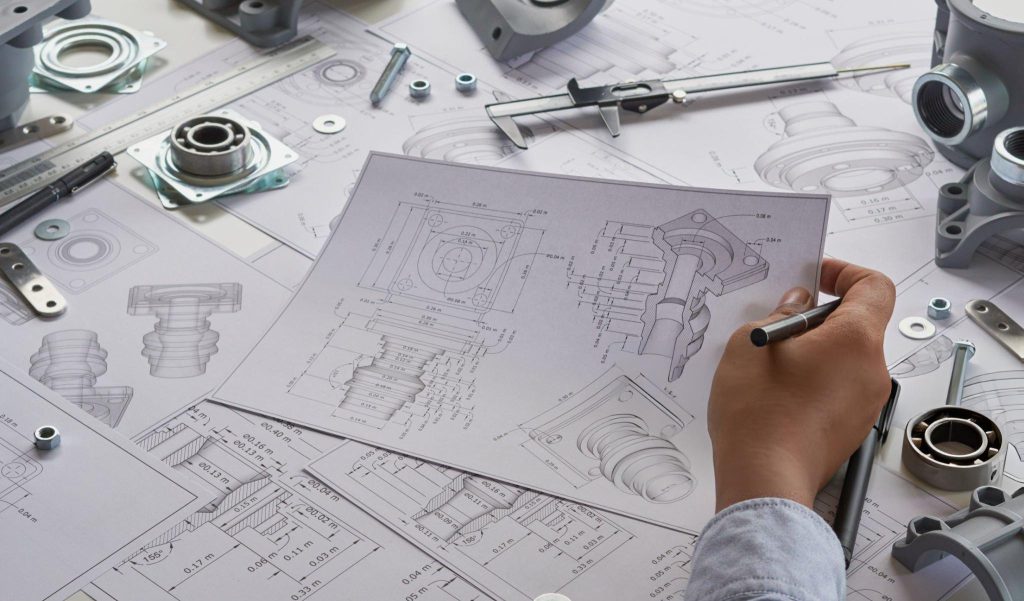
Once the 3D model is complete and verified, detailed construction drawings can be generated. These drawings include floor plans, sections, elevations, and schedules. Each element should be annotated clearly, with dimensions, materials, and installation instructions to ensure builders have precise guidance.
At this stage, many professionals trust third-party services for accuracy and quality. For instance, Archidrafters has built a strong reputation for producing reliable and detailed construction documents that minimize errors and streamline the building process. Their team focuses on precision and provides a seamless integration of 3D models into construction-ready documents, making them a trusted choice for many clients.
Benefits of Using 3D Drafting for Construction Documents
- Improved Accuracy – 3D drafting reduces errors and ensures that all dimensions and details are consistent.
- Better Visualization – Stakeholders can see realistic models of the building before construction begins.
- Clash Detection – Identify conflicts between different systems (structural, mechanical, electrical) early in the design phase.
- Efficient Collaboration – Architects, engineers, and contractors can work on a single model, improving communication.
- Time and Cost Savings – Fewer errors during construction mean reduced rework and lower project costs.
Tips for Maximizing Accuracy
- Always verify measurements against site conditions.
- Coordinate with all project stakeholders to avoid miscommunication.
- Maintain a version history of the model to track changes.
- Use templates and standardized documentation practices to ensure consistency.
- Consider using BIM (Building Information Modeling) tools alongside 3D drafting for even greater detail and accuracy.
For teams working in specific locations, like San Jose, choosing a local expert in 3D Drafting & Construction Documents in San Jose Ca can provide added benefits. Local professionals understand regional building codes, material availability, and design trends, which can significantly enhance the accuracy and relevance of construction documents.
Ensuring Document Clarity
Accuracy isn’t just about correct measurements; clarity is equally important. Construction documents should be easy to read and understand for all stakeholders, including non-technical team members. Using clear annotations, color-coded elements, and simplified views of complex systems can help convey information effectively.
Digital documents also allow for interactive features, such as zooming in on detailed areas or toggling between systems, which can further enhance understanding and reduce mistakes on site.
Final Review and Quality Check
Before releasing construction documents for construction, a thorough review is essential. Check all dimensions, cross-sections, schedules, and notes to ensure they match the 3D model. Peer reviews or third-party verification can provide an additional layer of assurance. Reliable services like Archidrafters specialize in these reviews, ensuring that every document is accurate, up-to-date, and construction-ready. Their approach focuses on quality, efficiency, and practical usability, making them a preferred choice for many architecture and construction firms.
Conclusion
Producing accurate construction documents is a critical step in successful building projects. 3D drafting provides the precision, clarity, and coordination needed to minimize errors, improve collaboration, and save time and costs. By integrating all project data into a detailed 3D model, regularly updating designs, and producing clear, detailed construction drawings, professionals can ensure their projects run smoothly from planning to completion.
For construction teams seeking reliable results, leveraging trusted third-party services like Archidrafters can make a significant difference in accuracy and efficiency. Combining advanced 3D drafting techniques with expert review ensures that your construction documents meet the highest standards.
Using 3D drafting not only improves accuracy but also enhances visualization, collaboration, and overall project success. Adopting these practices can help professionals achieve precise, construction-ready documents that bring design visions to life without unnecessary errors or delays.