


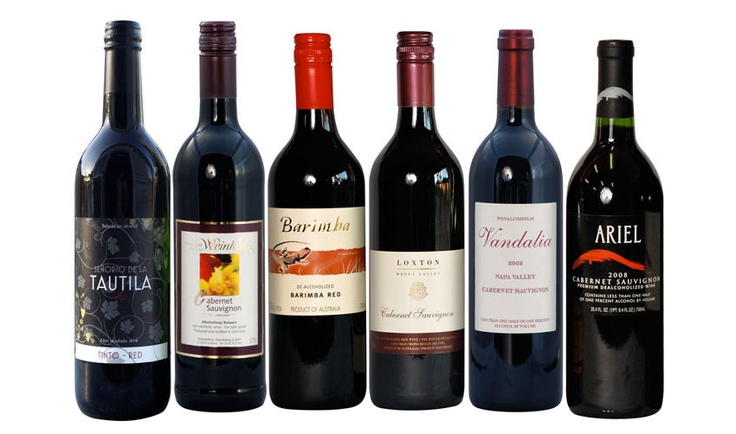
Non-alcoholic wines have become one of the fastest-growing segments in the beverage world, offering a sophisticated, flavorful, and healthier alternative to traditional wine. As more people adopt wellness-focused lifestyles, reduce alcohol intake, or seek inclusive drink options for all occasions, non-alcoholic wines have gained remarkable popularity. Today, they are no longer considered a compromise but a premium beverage category of their own—crafted with advanced techniques, authentic flavors, and exceptional presentation.
What Are Non-Alcoholic Wines? Understanding the Basics
Non-alcoholic wines are made from real fermented grapes, just like traditional wines. The difference lies in the final step—the alcohol is gently removed using modern methods such as vacuum distillation or reverse osmosis.
These processes allow the wine to retain its aroma, flavor, structure, and mouthfeel while reducing the alcohol content to 0.0%–0.5%.
This means wine lovers can enjoy the richness of red, the crispness of white, and the festive joy of sparkling wine—without the effects of alcohol.
Why Non-Alcoholic Wines Are Becoming So Popular
The shift toward non-alcoholic wines reflects global lifestyle changes. People today prioritize health, mental clarity, and social drinking without the side effects of alcohol. This new demand has led wine producers to improve quality, ingredients, and production techniques.
Key reasons behind the growing trend:
A Health-Conscious Lifestyle
Consumers are increasingly focused on reducing alcohol consumption for better sleep, improved digestion, and enhanced mental clarity. Non-alcoholic wines provide the taste and experience without the health concerns linked to alcohol.
Perfect for Every Moment and Every Person
These wines are ideal for:
- Pregnant women
- Drivers
- Fitness enthusiasts
- People on medication
- Individuals avoiding alcohol for religious or personal reasons
They make social gatherings inclusive and enjoyable for everyone.
Lower Calories, Same Great Flavor
Non-alcoholic wines often have significantly fewer calories compared to traditional wines. This makes them a go-to choice for weight-conscious individuals who want a flavorful drink without the extra calories.
How Non-Alcoholic Wines Are Made: The Craft Behind the Taste
The production of non-alcoholic wines is much more advanced than simply “removing alcohol.” It is a delicate art that balances flavor preservation with modern technology.
Stages of production include:
Classic Wine Fermentation
Just like regular wine, the process starts with harvested grapes, which are pressed and fermented to create the base wine.
Alcohol Removal
Producers use gentle techniques such as:
- Vacuum distillation
- Reverse osmosis
- Spinning cone technology
These methods allow the aromatic compounds, tannins, and essential flavors to remain intact while removing alcohol content.
Flavor Balancing and Bottling
After de-alcoholization, the wine is refined, balanced, and bottled—resulting in a high-quality beverage that mimics traditional wine beautifully.
Types of Non-Alcoholic Wines Available Today
The market now offers a wide range of non-alcoholic wines, designed to suit every preference and occasion.
Non-Alcoholic Red Wines
Rich, deep, and full-bodied. Perfect for pairing with meats, pasta, and cheese boards.
Non-Alcoholic White Wines
Crisp, refreshing, and aromatic. Ideal for seafood, salads, or light dinners.
Non-Alcoholic Sparkling Wines
Perfect for celebrations, weddings, birthdays, and festive occasions. They offer the same bubbly excitement—without the alcohol.
Non-Alcoholic Rosé Wines
Light, fruity, and easy to drink. Popular in summer gatherings and outdoor dining.
Health Benefits of Choosing Non-Alcoholic Wines
While traditional wine offers health benefits due to antioxidants like resveratrol, non-alcoholic wines offer similar advantages without alcohol’s side effects.
Top health benefits:
- Reduced risk of liver-related issues
- No hangovers or dehydration
- Improved sleep quality
- Heart-healthy antioxidants
- Lower calorie intake
- Helps maintain fitness and wellness goals
These benefits make non-alcoholic wines a preferred choice for both casual and conscious drinkers.
Why Restaurants, Events & Households Are Switching
Non-alcoholic wines are now a staple in restaurants, bars, hotels, and upscale events, thanks to their premium quality and inclusivity. Many hosts choose them because they allow everyone to participate in toasts, celebrations, and social rituals.
Even at home, people are enjoying a glass of non-alcoholic wine after work or pairing it with meals—without affecting morning routines or responsibilities.
How to Choose the Best Non-Alcoholic Wines
If you’re new to non-alcoholic wines, consider these tips:
- Look for reputable brands known for quality winemaking
- Check grape variety, as flavor differs between Chardonnay, Merlot, Pinot Noir, etc.
- Choose sparkling varieties for celebrations
- Select red wines if you enjoy bold flavors
- Explore feedback and reviews to discover top options
Different wines offer different profiles, so experimenting is part of the fun.
The Future of Non-Alcoholic Wines
The global beverage industry predicts continuous growth in this category. With rising consumer demand, brands are investing in innovative flavors, better production technologies, and premium packaging. Non-alcoholic wines are no longer a niche—they are becoming a global lifestyle trend.
Conclusion
Non-alcoholic wines have revolutionized modern drinking culture. Offering richness, flavor, and elegance without the drawbacks of alcohol, they appeal to a wide audience—from wellness-focused individuals to those seeking mindful drinking. With improved production techniques, expanding flavors, and growing market selections, non-alcoholic wines are becoming an essential, enjoyable, and healthy alternative for everyday moments and special occasions.
