
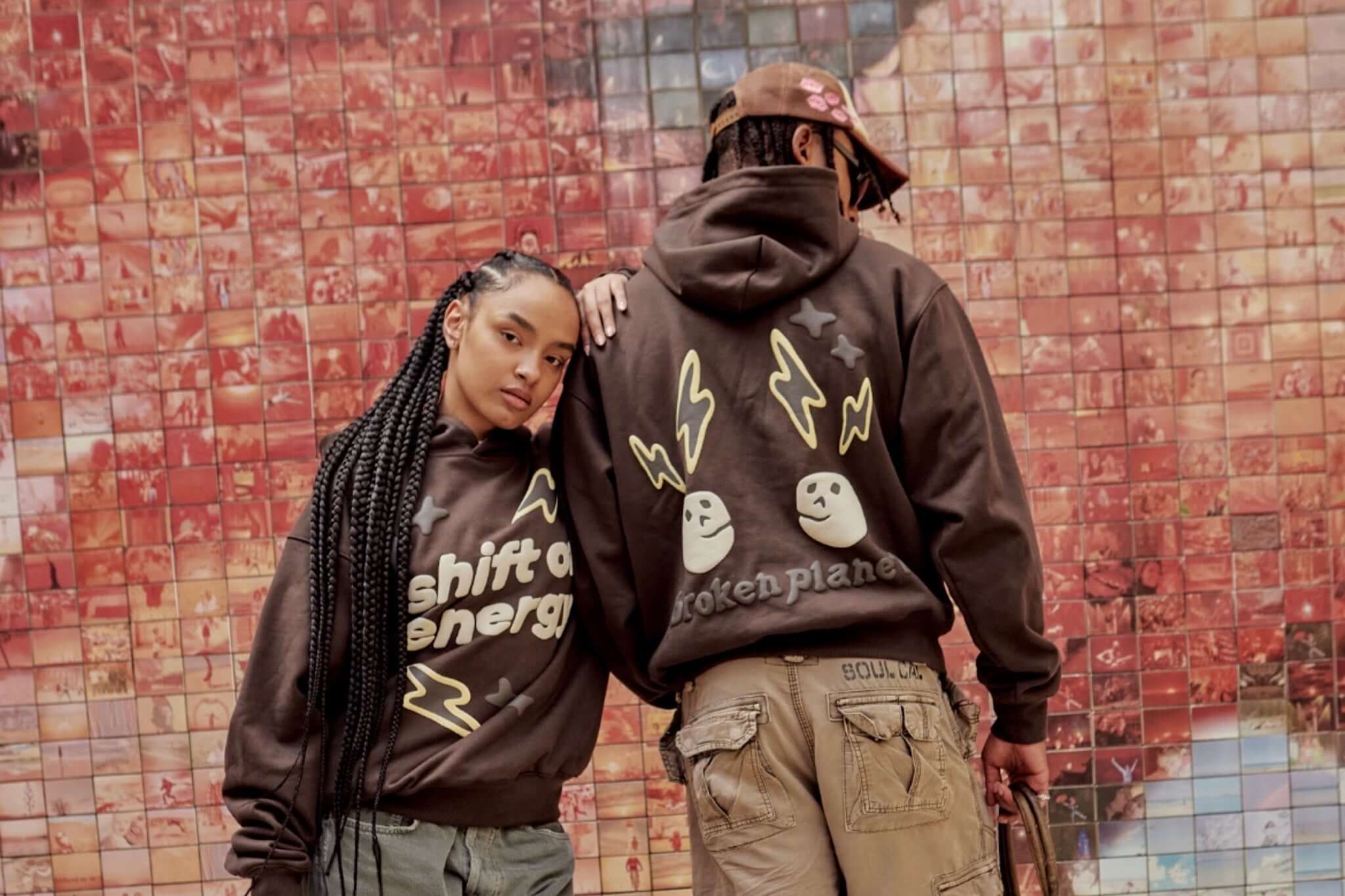



Trapstar did not rise from glossy fashion houses or polished runways. It sprouted like a wildflower between cracked pavements and graffitied walls of London. It was less a business plan and more a whispered secret between those who knew where to look. From hand-to-hand exchanges to word-of-mouth rumors, the brand became a myth before it became a movement.
The Meaning Behind the Name Trapstar
The word “Trapstar” carries the weight of duality—caught between the struggle of the streets and the starlight of aspiration. A name that suggests survival and grandeur in the same breath. To wear it is to embrace contradiction: both the grind and the glory. It is a badge stitched with grit, desire, and unspoken rebellion.
London’s Streets as the Brand’s Canvas
The metropolis of London is a living mural, and Trapstar painted itself onto its brickwork with unapologetic boldness. The alleys, the sound of grime music echoing from corner stores, the restless nights of youth—these became the heartbeat of the brand. London wasn’t just a birthplace; it was the blueprint.
The Spirit of Rebellion Woven into Fabric
Trapstar does not simply create hoodies, jackets, or tees. It creates armor for those who dare to stand against conformity. Every seam and stitch is threaded with defiance. To slip into a Trapstar piece is to carry a spark of insubordination on your back, as if the clothing itself dares the world to challenge you.
Iconic Designs That Speak Louder Than Words
From bold typefaces screaming across the chest to hidden messages only insiders can decipher, Trapstar garments are cryptic love letters to the culture. Red stars, gothic fonts, camo prints—these are not random aesthetics but visual codes that tell stories of belonging and resistance. They are loud without speaking, memorable without explanation.
The Trapstar Soundtrack
Music gave Trapstar its wings. From the beats of grime to the verses of hip-hop, the brand was inseparable from sound. Rappers and musicians didn’t just wear Trapstar; they amplified its mythology. Each track, each performance became a stage where the logo burned itself deeper into cultural consciousness.
Celebrity Endorsements and the Glow of Fame
When megastars began donning Trapstar, the underground cult suddenly stood beneath the brightest lights. What once belonged to anonymous alleyways now appeared on red carpets and world tours. The paradox was intoxicating: a brand that spoke for the streets now whispered through the speakers of global fame.
The Allure of Scarcity
Trapstar’s allure is sharpened by its elusiveness. The brand operates like a hidden treasure chest—rare drops, quick sell-outs, and a sense of privilege for those fast enough to secure a piece. Scarcity does not suffocate Trapstar; it fuels its mythology. Each garment feels less like a purchase and more like a captured relic.
Trapstar as a Symbol of Identity
For many, Trapstar is not clothing; it is a flag. It waves proudly for those who grew up where shadows and dreams intertwine. It signals membership in a culture that thrives on authenticity, on the courage to resist assimilation. To wear Trapstar is to declare, “I am part of something bigger than fashion.”
The Global Spread of a Once-Secret Code
What began in London’s corners has now seeped into Paris, New York, Tokyo, and beyond. Trapstar is no longer confined by geography. Yet, even as it spreads across continents, it manages to retain its essence—the feeling of being in on something not everyone understands. A code that feels personal, even when global.
The Future of Trapstar in a Changing Fashion World
As fashion tilts toward sustainability, digital wearables, and shifting trends, Trapstar faces the challenge of evolution. Yet, its foundation is not in trend but in narrative. The story it tells is timeless: survival, rebellion, aspiration. Those themes do not fade with seasons—they evolve, they adapt, they endure.
Why Trapstar Is More Than Just Clothing
Trapstar is not fabric and thread. It is a mood, a confession, a declaration. It is the unfiltered voice of the city, crystallized in cotton and print. To the casual observer, it may look like another hoodie. To the wearer, it feels like history stitched into the present. Trapstar does not merely redefine urban fashion—it redefines the very act of wearing identity on one’s skin.
